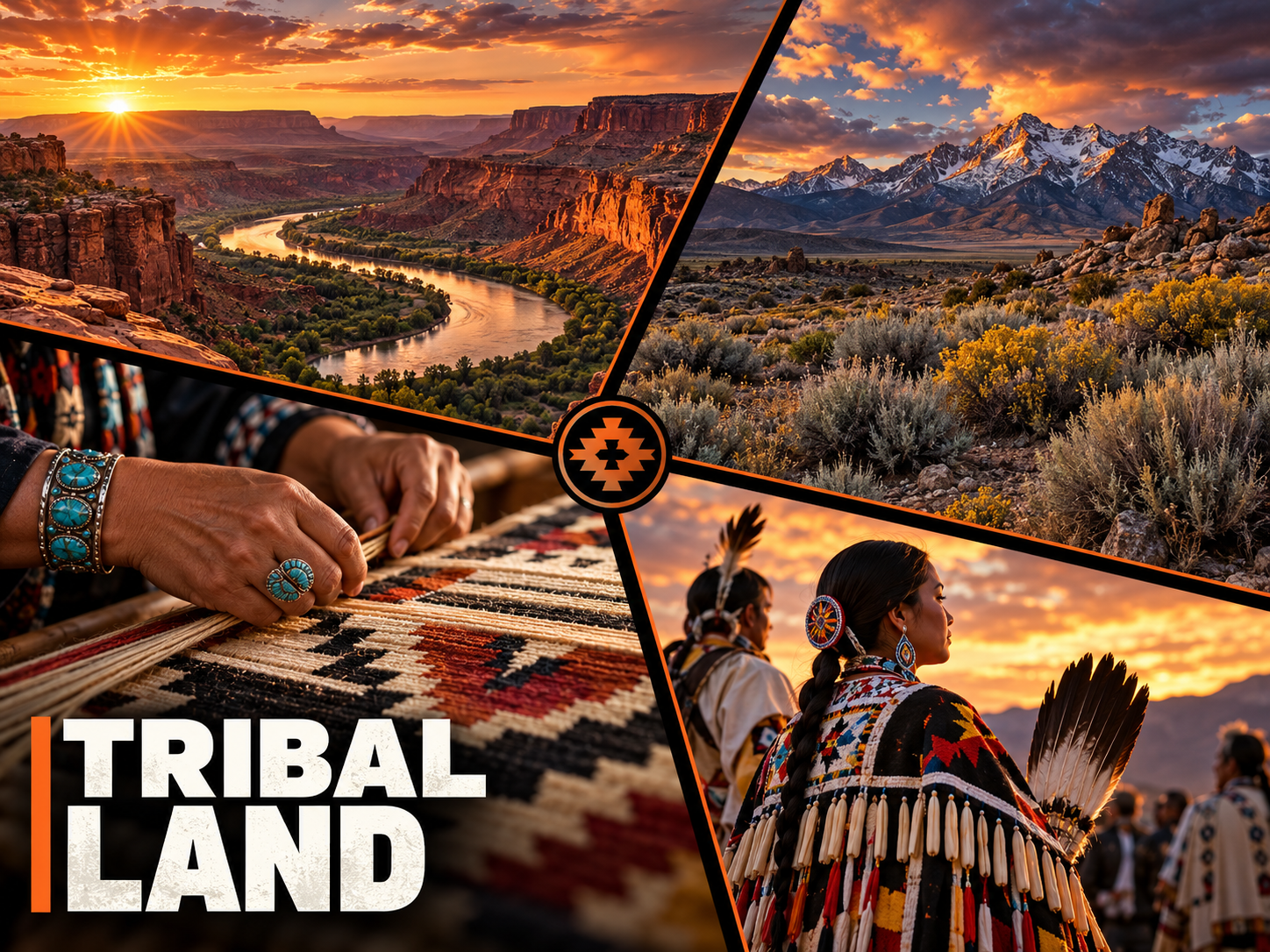
Tribal Land
Federally recognized tribes exercise governmental authority over their lands and may establish regulations affecting firearms, concealed carry, and transportation.
Before entering tribal land with a firearm, understand the applicable tribal, federal, and state laws.
Carrying Firearms On Tribal Land
Tribal Laws & Jurisdiction
Tribal firearm regulations may differ from the laws of the surrounding state. A concealed firearm permit recognized by that state does not automatically authorize carry on tribal land.
Concealed Firearm Permits
A concealed firearm permit valid in the surrounding state may not be recognized under the tribe's firearm regulations.
Tribal, federal, and state jurisdiction depends on the particular land, individuals, and alleged violations.
Tribal Restrictions
Tribal governments may establish firearm regulations that differ from neighboring jurisdictions within their lawful authority.
Different tribal nations have different firearm policies.
Possible Firearm Seizure
Violating firearm restrictions may result in temporary detention, firearm seizure, or other enforcement action.
Recovering seized property may require tribal court proceedings or other legal action.
Nonmembers & Tribal Law
Tribal criminal jurisdiction, civil authority, and enforcement powers over nonmembers are different.
Federal and state laws may also apply within tribal land boundaries.
Before Entering Tribal Land
Contact the tribal government to ask about its firearm possession, concealed carry, and transportation laws. Request written confirmation or authorization when available.
If you cannot confirm that carrying is permitted, consider transporting the firearm unloaded and secured in the trunk or a locked container in the rear of a vehicle without a trunk. This precaution does not guarantee that transportation is lawful in every jurisdiction.
Highways & Roads Through Tribal Land
Federal & State Highways
Tribal firearm restrictions may affect highways passing through tribal lands. Public rights-of-way, land ownership, and the type of regulation affect tribal authority.
Vehicle Firearm Restrictions
Permission to possess a firearm in a vehicle under the surrounding state's laws does not automatically override applicable tribal or federal restrictions.
Check the specific tribal government's rules before traveling.
Tribal Nations In Utah
Utah's Tribal Nations
Utah has eight federally recognized tribal nations whose lands, communities, and histories extend throughout Utah and neighboring states.
Some tribal nations contain multiple bands and communities. White Mesa is listed below as a community of the Ute Mountain Ute Tribe.
Community of the Ute Mountain Ute Tribe.
Tribal Law Enforcement
Tribal Police Authority
Tribal police enforce laws within their jurisdiction. Their powers may include investigating and detaining nonmembers under applicable federal laws and court decisions.
Tribal authorities may coordinate with state or federal agencies when those agencies have prosecution authority.
Cross-Deputization Agreements
Tribal and state or local agencies may enter agreements allowing specified law enforcement powers across overlapping jurisdictions.
These agreements may authorize tribal, federal, county, municipal, or state officers to investigate or arrest individuals for covered offenses.
Law Enforcement Cooperation
Cooperation agreements help agencies respond to offenses where tribal and nontribal lands are connected, intermingled, or adjacent.
These agreements can support investigations, arrests, and transferring cases to authorities with criminal jurisdiction.
Tribal Jurisdiction — Federal Court Decisions
Federal court decisions address tribal jurisdiction over nonmembers, including the limits of tribal criminal authority, civil authority, and law enforcement powers in particular circumstances.
Oliphant v. Suquamish Indian Tribe (1978): The U.S. Supreme Court held that tribes generally lack criminal jurisdiction over non-Indians unless Congress authorizes it. This decision concerns tribal criminal prosecution and does not eliminate tribal police authority to investigate or detain nonmembers.
United States v. Cooley (May 2021): The U.S. Supreme Court recognized that tribal police officers may temporarily detain and search non-Indian individuals traveling on public rights-of-way through reservations when investigating potential violations of state or federal law.
These decisions distinguish the limitations on tribal criminal prosecution from the investigative and detention authority tribal officers may exercise involving nonmembers.
Federally Recognized Tribes
Tribal Lands Across The United States
Tribal land areas include reservations, pueblos, rancherias, missions, villages, and other tribal communities.
The Navajo Nation Reservation extends across Arizona, New Mexico, and Utah and covers approximately 16 million acres.
A smaller parcel associated with the Pit River Tribe's cemetery in California has historically been described as approximately 1.32 acres.
Many reservation areas contain fewer than 1,000 acres. Land acreage and reservation statistics may change.
Tribal Sovereignty
Federally recognized tribes have government-to-government relationships with the United States and exercise powers of self-government recognized under federal law.
Congress has broad authority concerning tribal affairs. State governments do not have unrestricted authority over tribal governments.
Tribes may regulate activities on their lands independently of neighboring states, within federal jurisdictional limitations.
Tribal and state governments may cooperate through agreements involving law enforcement, environmental protection, and other shared matters.
Additional Information & Resources
Contact A Tribal Government
The Bureau of Indian Affairs maintains a Tribal Leaders Directory with contact information for federally recognized tribal governments.
Contact the relevant tribal government directly for current firearm possession, transportation, and visitor policies.
Tribal Law Research
The National Indian Law Library provides resources for researching tribal laws, legal codes, court systems, and other tribal legal authorities.
Firearm Carry Reminder
Before carrying or transporting a firearm onto tribal land, verify the requirements with the appropriate tribal government. Utah constitutional carry and a Utah Concealed Firearm Permit do not override applicable tribal or federal firearm restrictions.
Applicable Laws & Official Resources
- United States v. Cooley — Tribal Police Authority
- Oliphant v. Suquamish Indian Tribe
- Bureau Of Indian Affairs
- BIA — Frequently Asked Questions
- Tribal Leaders Directory
- 2026 Federally Recognized Tribes List
- Utah Division Of Indian Affairs
- Utah Tribal Nations Directory
- National Indian Law Library — Tribal Law Gateway
- Bureau Of Justice Statistics